
"Female Rap is DEAD"
A Letter from the Editor


“Female Rap is dead” reads another godforsaken tweet from my graveyard of a timeline on Twitter (now X). Someone made this comment after deciding the “MAGA-fication” of Nicki Minaj constituted the official extinction of “female rap” as we know it. So many angry thoughts flashed before me in red when I saw how many likes and retweets it had. I like to pride myself on appreciating good discourse, but there truly is no more real discourse happening on that app - just mindless rage-baiting and misinformed stan-dom wars.
But this baseless declaration is worth discussing some well-needed history her-story.
So let’s take it back. The “Golden Age of Hip Hop,” whether you consider that to be the late 80’s, the early, or mid 90’s, signified the time when the once break-beat heavy sound of Bronx DJ legends Kool Herc, Grandmaster Flash, Afrika Bambaataa, and Grand Wizard Theordore was evolving lyrically and sonically. It also signifies a time when Hip Hop started to “break” into pop-culture from the underground. Erik B. and Rakim, Roxanne Shanté, Run D.M.C, Salt-N-Pepa, A Tribe Called Quest, MC Lyte, Queen Latifah, Public Enemy - there is a debatable laundry list of Hip Hop’s earliest superstars associated with this Golden Age. Regardless of the specific era considered the most golden, there were always key female figures in these spaces; creating true art in the name of MCing, DJing, Graffiti-ing, and Breakdancing. Even from the day Hip Hop was born (August 11, 1973), the Back-to-School-Jam hosted by DJ Kool Herc, was actually planned and executed by his sister, Cindy Campbell. And she was a wicked b-girl and graffiti artist.
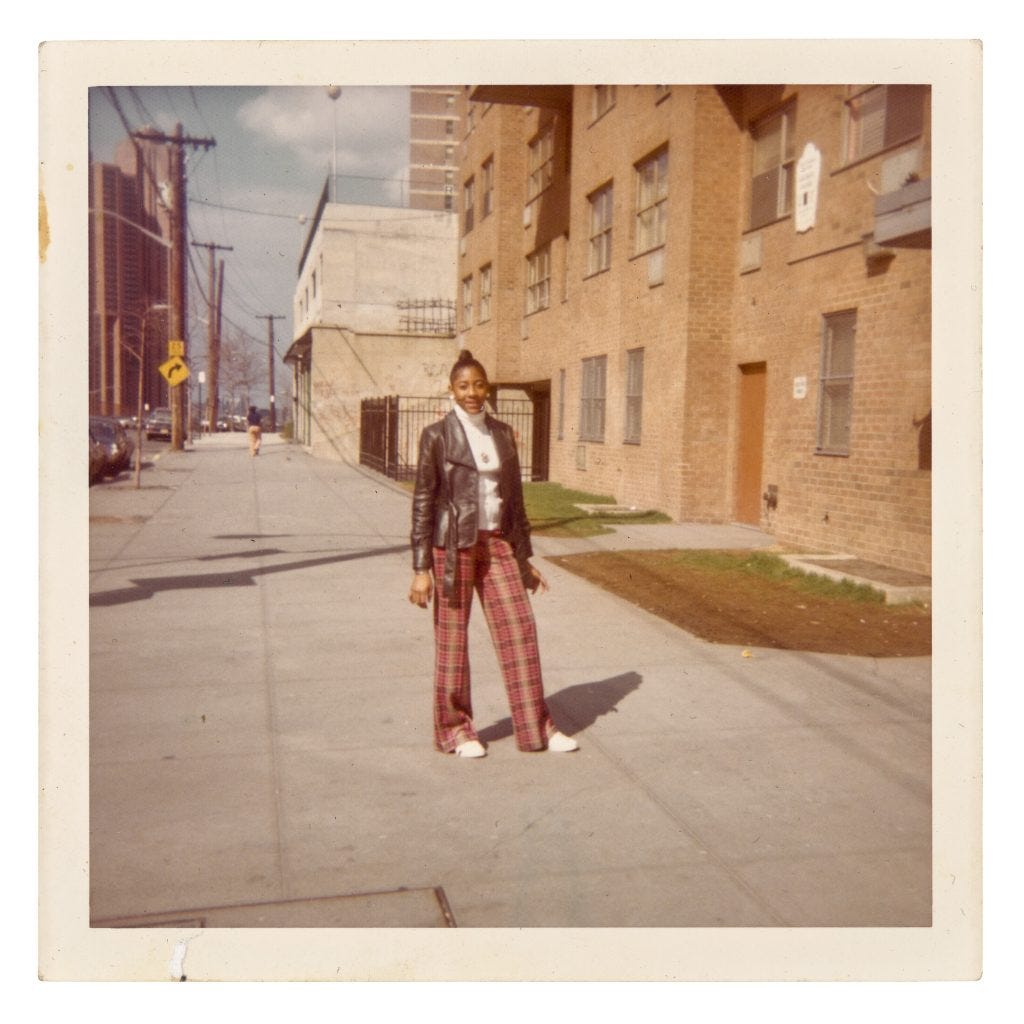
The earliest Hip Hop label, Sugarhill Records, was co-founded by none other than Sylvia Robinson (who also co-founded All Platinum Records a decade prior). And if we want to go further, Sylvia produced not one but two of Hip Hop’s earliest smash hits; “Rapper’s Delight,” which was the first top 40 Hip Hop single ever, and “The Message,” which was one of the first socially conscious Rap/Hip Hop songs and videos, going on to inspire groups like Public Enemy and The Fugees. She produced them both!
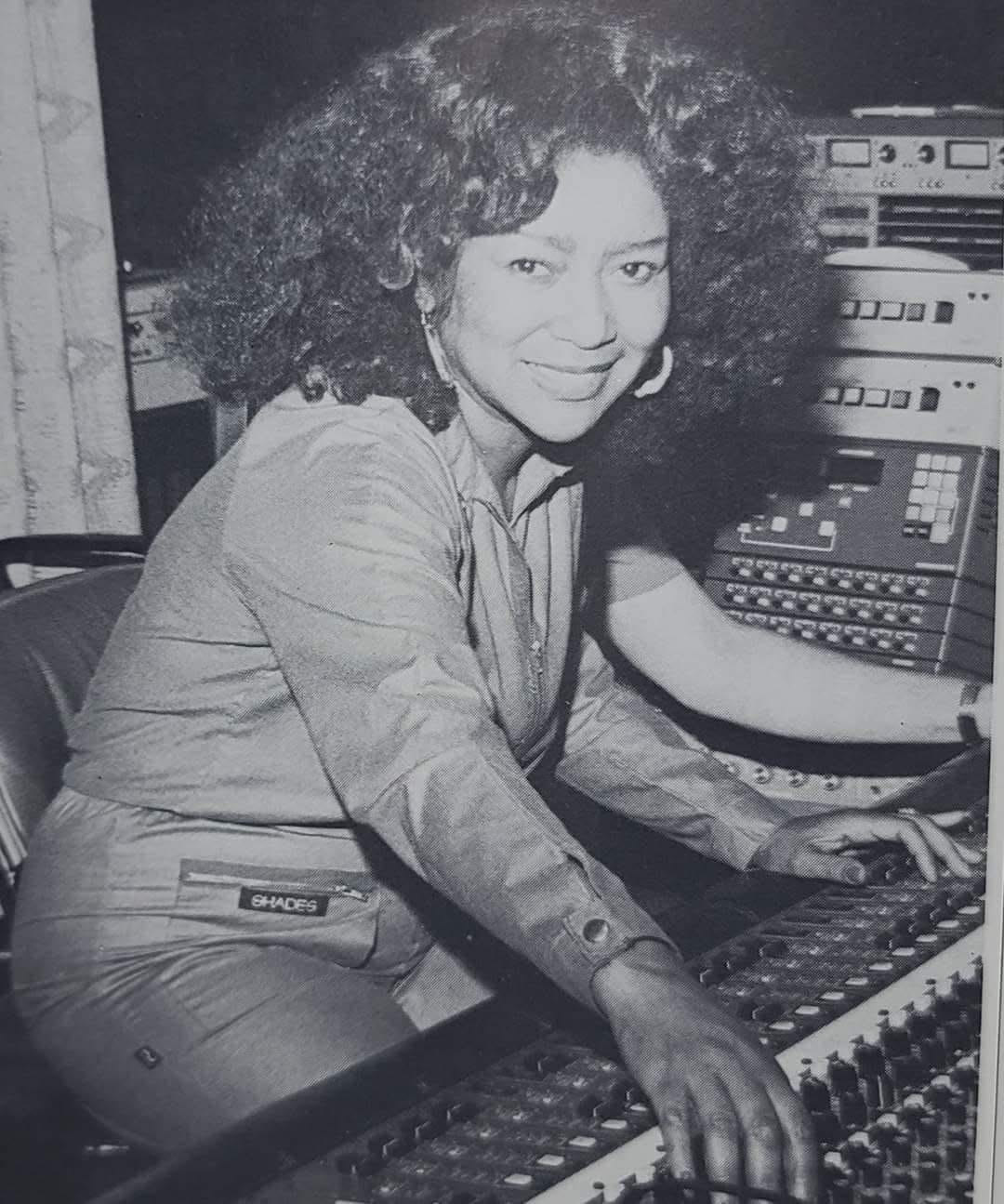
And then we have legendary MC Sha Rock, who was not only one of the Bronx’s earliest known b-girls, but her group, The Funky 4 + 1 (she was the plus one), was the first Hip Hop act to perform on live television - Saturday Night Live, February 14,1981. She is forever crowned “Mother of the Mic” as she’s one of the first women to emcee — on a crew of all guys — and on such a public stage.
The October 1997 issue of The Source included an article, “The Female MC Hall of Fame,” by Mimi Valdés listing the top 10 women rappers/rap acts of the mid 90’s. Missy Elliot, Roxanne Shanté, Yo-yo, Lauryn Hill, Foxy Brown, Lil’ Kim, Salt-n-Pepa, MC Lyte, Da Brat, and Queen Latifah. Valdés properly documents these women who were making history in Rap and Hip Hop and leading us into the new millennium.
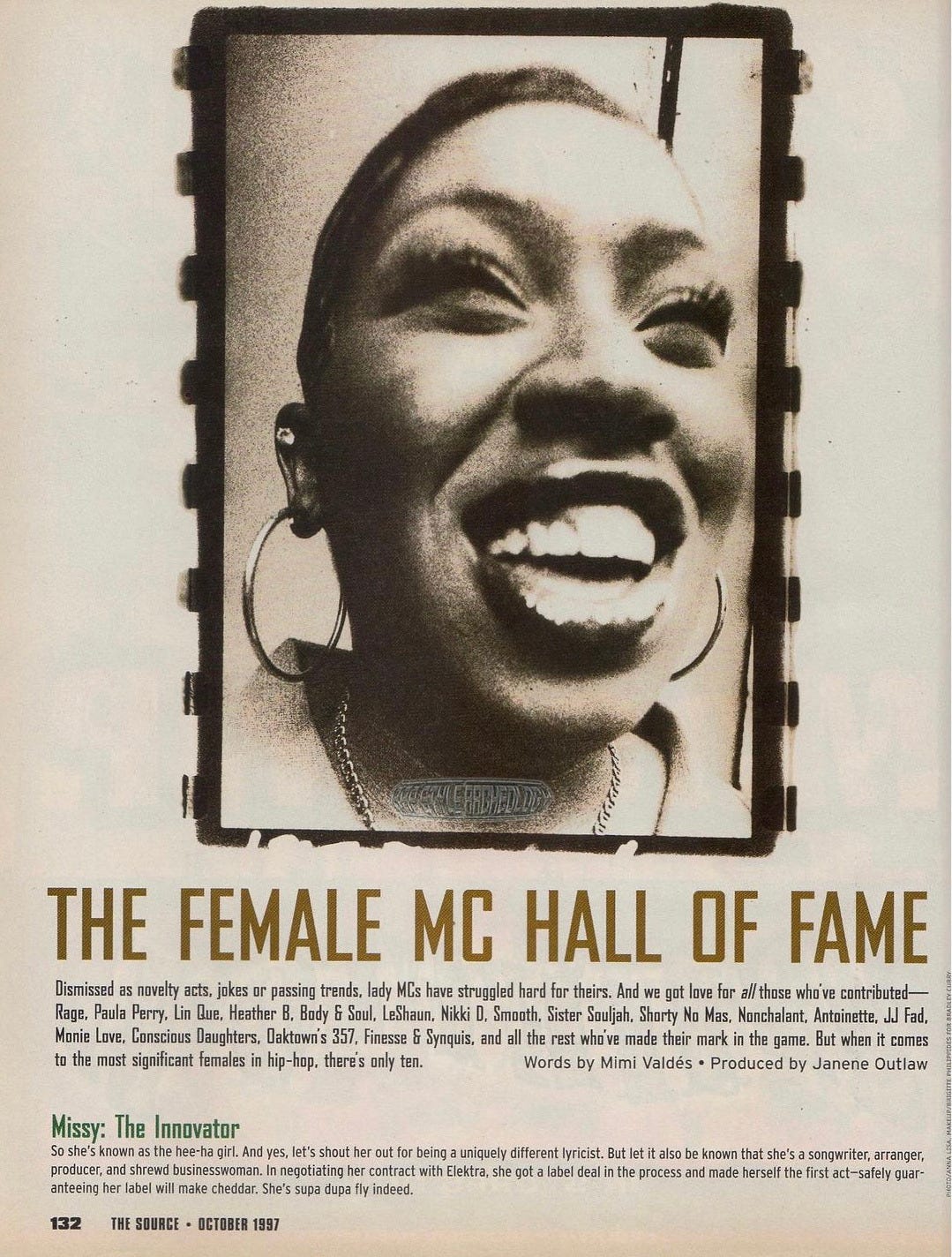


So all I’m saying is that there is a 20+ year history of pioneering women who broke into the mainstream and set the precedent before anyone today that we immediately associate with “female rap.”
And it’s true; since this “Golden Age,” the 2000’s only saw a handful of women break through and gain the same recognition; Trina, Gangsta Boo, and of course Nicki Minaj. Now let’s be so real; there is a never ending list of women in Rap and Hip Hop I’m leaving out - from MCs to producers to DJs to executives. Like do y’all even remember Sweet Tee? MC Peaches? Mia X?! Ok, just making sure you check your ignorance at the door before you check mine. And if you knew those ladies, you’re a real one. I could list all of the women from Remy Ma to Lady Luck to Rapsody, even MIA some would add to that list (queen, but debatable). However, very few truly exploded into the mainstream in the late 2000’s and early 2010’s like Young Money, Cash Money era Nicki “Roman” Minaj - similarly to those women of the Golden Age. Her sound, her pen, and her fashion had an insane impact on pop-culture. But does that mean it all has to end with her?
If it wasn’t obvious already, the answer is no.
To really put that silly declaration that “female rap is dead” to rest - let’s talk about the “Rose-Golden Age” of Hip Hop. At least that’s what I’ve decided to call it. By the late 2010’s into the 2020’s, I saw the biggest influx of women in Rap I had ever seen in my lifetime - gaining notoriety, achieving wins and nominations, and collaborating with each other. Young M.A, Cardi B, Megan Thee Stallion, the City Girls (Yung Miami and JT), Rico Nasty, Doja Cat, Tierra Whack, Noname, Flo Milli, Latto, Doechii, Little Simz, CupcakKe, Kamaiyah, and more. It was another poignant time in history, where Rap and Hip Hop was dominating the mainstream and pop-culture, this time pretty much exclusively led by women MC’s who were changing the sound and the face of Hip Hop, and reinvigorating the art form. It was (and still is) the rosiest time for lovers of women and Hip Hop, like myself. It inspired me to write about the history of women in Rap and Hip Hop for my undergraduate thesis and to start brainstorming the beginnings of NYCE*, years later.
Only recently has the concept of documenting Hip Hop history, and the call to archive its past, gained currency. The first books written about Hip Hop (that I discovered) were written after 2015. The first documentary I found on women in Hip Hop was released in 2010 (My Mic Sounds Nice: The Truth About Women in Hip, dir. Ava DuVernay), yet I’ve never heard anyone even reference it until it (illegally) popped up on my YouTube radar in 2024. And did you know the first permanent Hip Hop Museum is opening this year in 2026? Yes, there have been exhibits, public archives, and The National Hip Hop Museum Pop-Up experience (2019), but the first permanent institution dedicated to solely Hip Hop’s history is just now opening. It fills me with pride, but it’s indicative of how much more work is needed to ensure the memory of Rap and Hip Hop is kept alive and accessible. And even more necessary when it comes to documenting the many women throughout its rich history; thank you Kathy Iandoli, Nadirah Simmons, and Joan Morgan! And even MORE necessary when it comes to trans, non-binary, gay, and queer rappers. I mean one of the first girls I ever heard on the mic was Rahrah Gabor, but that wasn’t until I was in college in 2018. Then I found Mykki Blanco, Big Freedia, and so many other cold-ass trans, gay, and queer artists - especially in ballroom! But, I never knew Tori Fixx, DeadLee, or Juba Kalamka from the 90’s and 2000’s until I dug DEEP. In fact I still don’t even know of any openly queer or trans artists in Rap and Hip Hop before the mid-90s. I can of course understand why, but these written and oral histories are few and far between to actually find.
NYCE* is a space to do just that; document the women, the femmes, and the queer artists across Rap and Hip Hop’s history, present, and future. Only the nicest of the nice. So when I see comments saying “Female rap is dead,” I just have to laugh. There is a Rose-Golden renaissance among us right now, only if you know where to look. So when you see that type of discourse online, just send them a link to this. ⋆⭒˚.⋆